How the Panama Canal Lifts Massive Ships Over Mountains Using Water Elevators
Imagine trying to sail a huge ship from the Atlantic Ocean to the Pacific Ocean. You could go all the way around South America, which takes weeks. Or you could take a shortcut through Panama, where an incredible machine lifts ships right over the mountains in just hours!
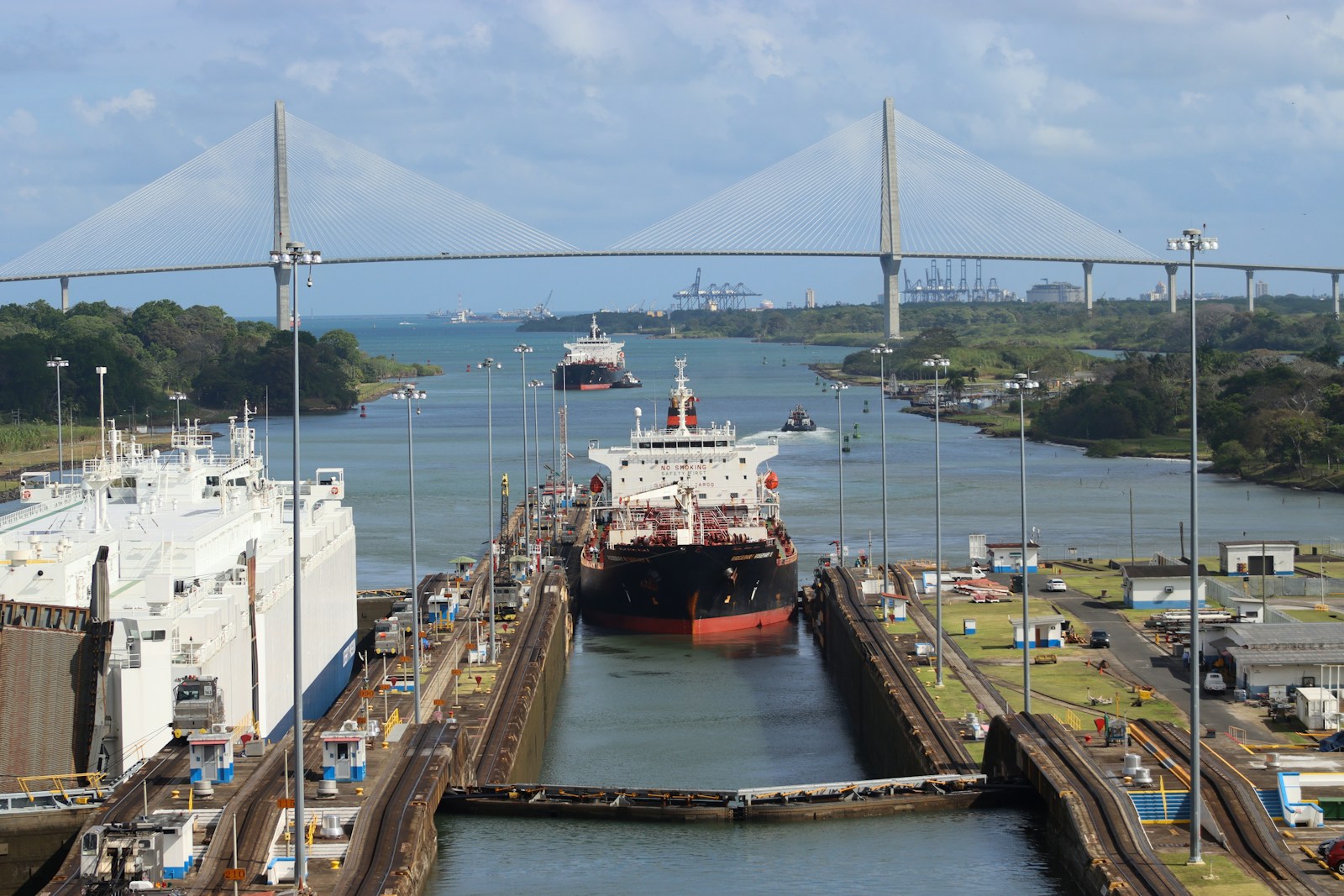
The Panama Canal is like a water staircase built across a country. But here's the tricky part: the land in the middle of Panama is much higher than the ocean on either side. Ships can't climb uphill, so engineers built giant water elevators called locks to lift them up and down.
Here's how it works: A ship enters a huge concrete chamber that's like an empty swimming pool. Massive gates close behind it, sealing it in. Then millions of gallons of water pour in from higher up, filling the chamber and lifting the ship as the water rises. It's like when you place a toy boat in the bathtub and turn on the faucet. As the water level goes up, so does the boat!
The ship rides up through three of these locks, climbing about 85 feet total. That's as tall as an eight-story building! At the top, the ship sails across a human-made lake. Then it goes down three more locks on the other side, like descending a water staircase, until it reaches the other ocean.
The amazing part is that no pumps push the water. Gravity does all the work! Water flows from a lake at the top of the canal down into the locks. Each time a ship passes through, the canal uses about 52 million gallons of water. That's enough to fill 78 Olympic swimming pools!
This incredible water elevator system has been lifting ships since 1914. Thousands of ships use it every year, carrying everything from bananas to cars. It shows how understanding how water and gravity work can help us build amazing machines that move mountains, or at least help ships sail right over them!