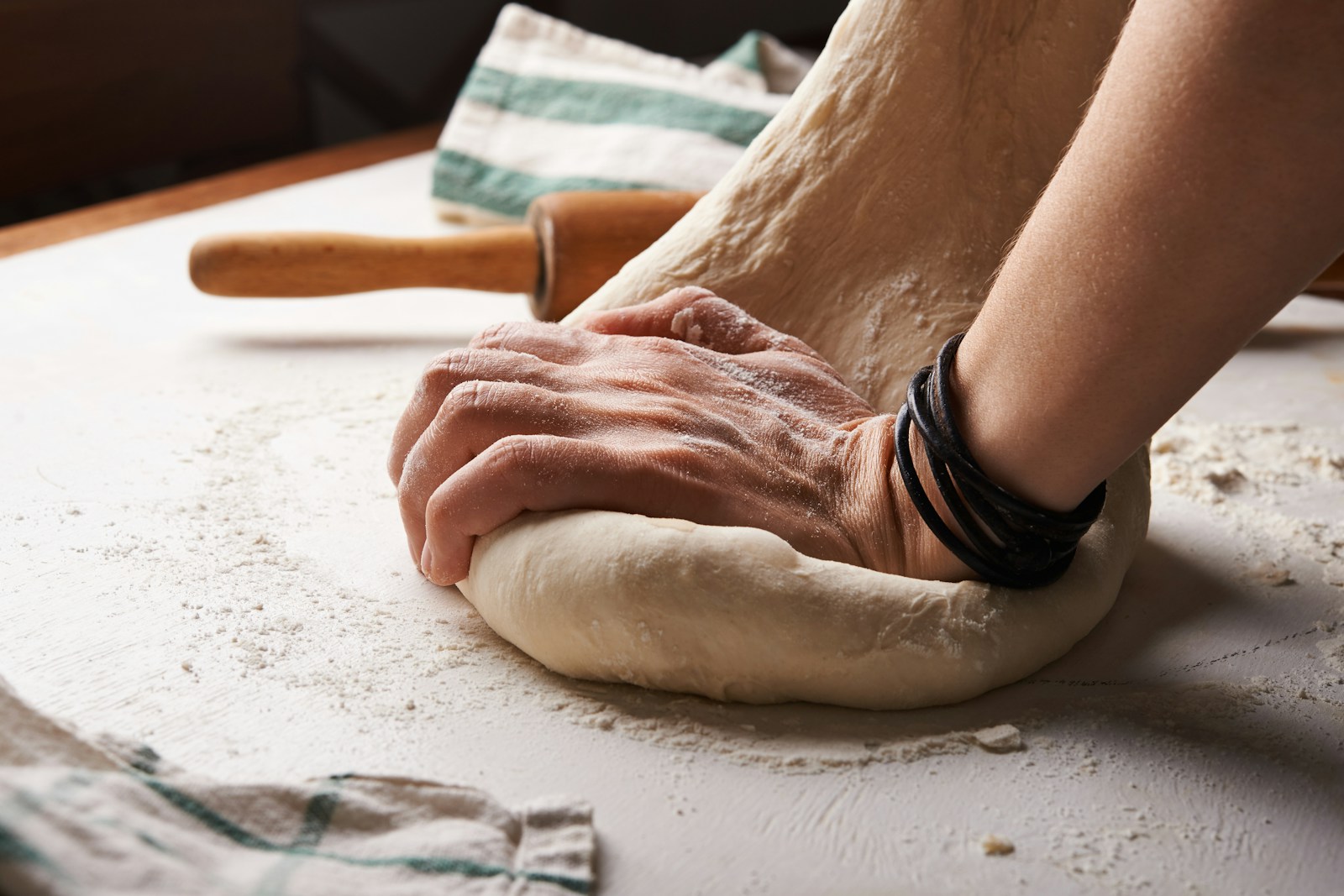
Why Does Bread Rise and Get Fluffy When You Bake It?
Have you ever watched bread dough grow bigger and puffier before baking? It almost looks alive! The secret is something very small called yeast. Yeast are tiny living things, so small you need a microscope to see them. When bakers mix yeast into bread dough, these little helpers start eating the sugars in the flour.
As yeast munches away, it makes bubbles of a gas called carbon dioxide. These bubbles get trapped inside the sticky dough. The more the yeast eats, the more bubbles it makes. That's why bread dough grows and rises! If you poke rising dough gently, you might feel how soft and squishy all those bubbles make it.
When the bread goes into a hot oven, something amazing happens. The heat makes the bubbles expand even more at first. Then the heat makes the dough firm up and lock those bubbles in place. The yeast stops working in the heat, but it has already done its job.
The result is bread full of tiny air pockets that make it light and fluffy instead of hard and heavy. Next time you eat a slice of bread, look closely at all those little holes. Each one started as a bubble made by hardworking yeast. Those tiny living things turned simple dough into the soft, delicious bread we love!