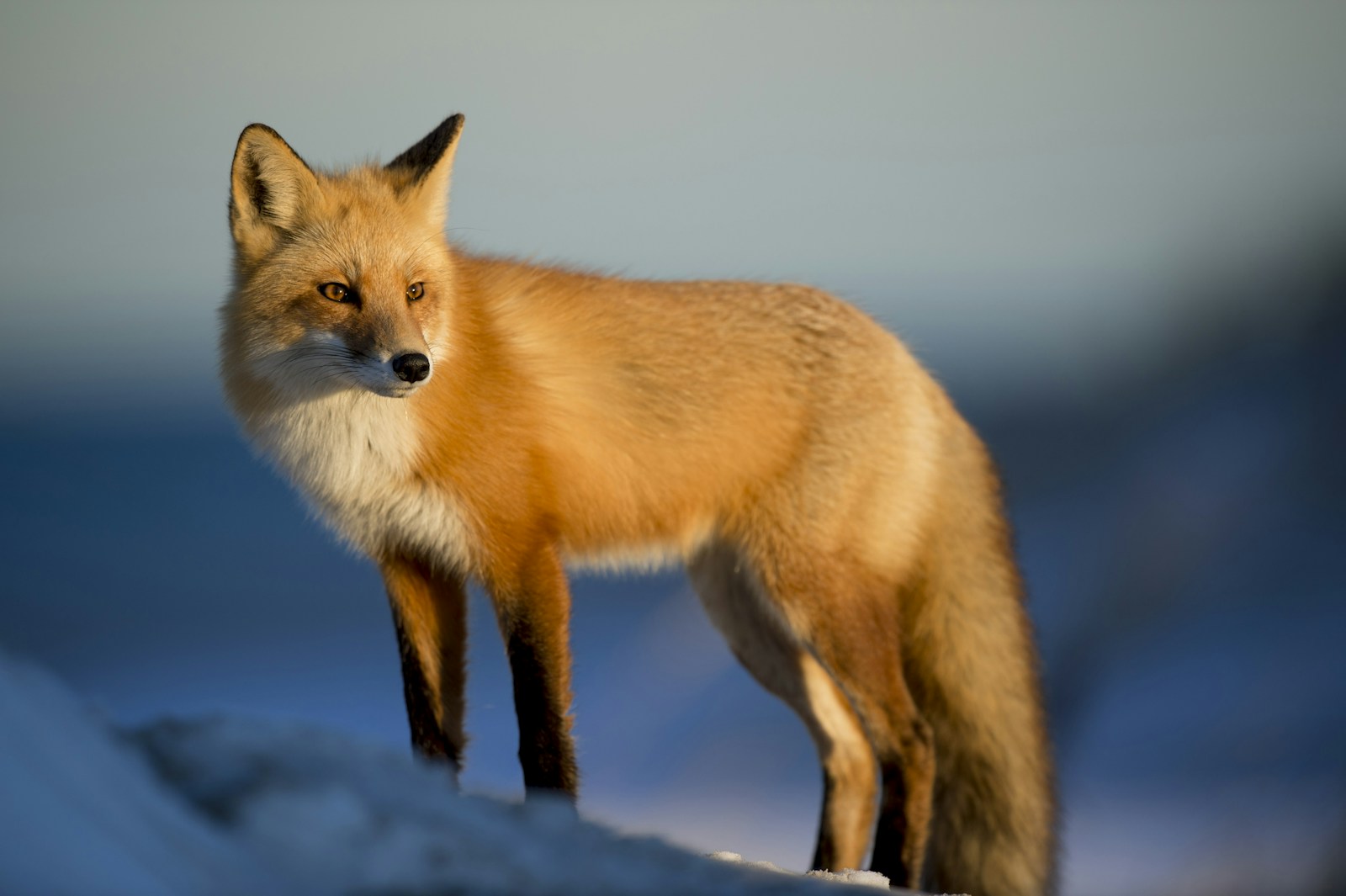
How Arctic Foxes Change Their Fur Color With the Seasons
High in the frozen Arctic, a small fox with bright eyes has an amazing superpower. The arctic fox can change the color of its fur coat to match the seasons. In winter, its fur turns bright white like fresh snow. In summer, it becomes brown or gray like rocks and dirt.
This color change is called camouflage, and it helps the arctic fox hide from danger and sneak up on food. When everything is covered in snow, a white fox is nearly invisible to hungry wolves or eagles flying overhead. When the snow melts and the ground turns brown, the fox needs a different disguise.
The magic happens because of sunlight and temperature. As days get longer or shorter, the fox's body gets signals to grow new fur in a different color. The old fur falls out and new fur grows in. This process takes several weeks, so the fox gradually changes color rather than all at once.
Arctic foxes aren't the only animals with this trick. Snowshoe hares and ptarmigan birds also change colors with the seasons. They all live in places where winter looks completely different from summer, so they need two different disguises to stay safe all year long.
Nature has given these animals a clever way to survive in one of the harshest places on Earth. By changing their coats twice a year, arctic foxes stay hidden, stay safe, and stay warm no matter what season it is.